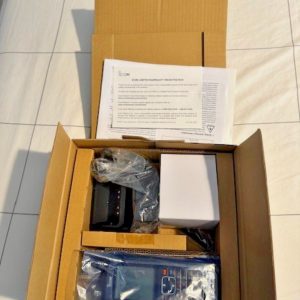
:::writingvariant="document" id="58314" ICOM IC-A25N Handheld NAV/COM Transceiver w/ Bluetooth – Open Box: Advanced Pilot Communication The ICOM IC-A25N Handheld NAV/COM Transceiver w/ Bluetooth – Open Box offers practical cockpit, emergency, training, and ground-use functionality in a compact handheld format. An open-box ICOM transceiver can be attractive to buyers who want dependable features while reducing the cost of purchasing professional aviation equipment. The ICOM IC-A25N Handheld NAV combines practical portability with features intended to support situational awareness and reliable aviation operations. The ICOM IC-A25N Aviation Radio offers portable flexibility for aircraft owners who do not want to rely exclusively on panel-mounted communication equipment. The ICOM IC-A25N Handheld Radio can be carried conveniently in a flight bag, stored as backup cockpit equipment, used during preflight activities, or assigned to aviation personnel who require portable communication. The Handheld NAV/COM Aviation Transceiver format offers useful flexibility to pilots who want one compact tool for several operational requirements. Whether the device will function as a Handheld Aviation Radio, Aviation NAV/COM Radio, Pilot Handheld Radio, or Aircraft Communication Radio, users should become familiar with its controls before relying on it. The product can support pilots seeking a Portable Aviation Transceiver, Aviation Navigation Radio, ICOM Pilot Radio, or dependable Backup Aircraft Radio.
Understanding the ICOM IC-A25N Handheld NAV/COM Transceiver
The IC-A25N combines portable aviation communication capability with navigation-oriented features intended to support a broad range of pilot activities. The device may help pilots reduce equipment clutter by integrating several useful capabilities into one flight-bag-friendly radio. Users should understand that portable-radio coverage can differ from panel-mounted equipment connected to an external aircraft antenna. Familiarity transforms a portable radio from stored equipment into a practical and dependable operational resource.Using the ICOM IC-A25N Handheld NAV
The ICOM IC-A25N Handheld NAV can support pilots who want portable access to aviation communication and navigation information during flight preparation or cockpit operations. Students may practice menu navigation, frequency entry, memory organization, display interpretation, and accessory setup in a controlled setting. Pilots should verify information using suitable aviation references and avoid relying on one portable device for every navigation decision. A complete preflight review can confirm that the radio is charged, configured, accessible, and ready to support the planned operation.ICOM IC-A25N Aviation Radio Applications
An ICOM IC-A25N Aviation Radio can serve pilots who need portable communication for flight operations, aircraft delivery, training, airport coordination, or emergency preparedness. Flight instructors can use the device as supplemental equipment during ground lessons, aircraft walkarounds, and selected training exercises. Buyers should consider the radio’s physical condition, battery age, charging equipment, antenna, clips, headset accessories, manuals, packaging, and evidence of proper operation. Testing should occur in a lawful and appropriate manner without creating unauthorized transmissions or interfering with aviation communications.ICOM IC-A25N Handheld Radio Convenience
The IC-A25N provides flexibility for aviation users who need one communication device across multiple locations and operational roles. Pilots should protect the radio with a suitable case or organized storage compartment to reduce the risk of impact, moisture, connector damage, or accidental control activation. Pilots can practice with the radio at home or in a classroom while following the applicable manual and operating guidance. Aircraft cabins and parked vehicles can reach temperatures that may affect batteries, displays, housings, and electronic components.Using a Handheld NAV/COM Aviation Transceiver
A NAV/COM transceiver can support normal operations, training, backup planning, aircraft delivery, and selected ground activities. The most suitable handheld radio is not necessarily the one with the longest feature list, but the one the pilot can operate confidently and maintain properly. A brief function check can identify weak battery performance, loose accessories, damaged connectors, or configuration problems before departure. The antenna, battery, charger, headset adapter, belt clip, and other accessories should remain organized with the radio.Handheld Aviation Radio for General Aviation
Handheld radios provide communication flexibility where panel equipment is unavailable, temporarily unpowered, difficult to access, or assigned to another aircraft. A handheld unit is most valuable when charged, accessible, tested, and familiar to the pilot before it is required. Users may experience improved range when the antenna has a clear position compared with operation deep inside a metal airframe or enclosed structure. The device should not be used for casual or unnecessary transmissions that could interfere with operational communications.Aviation NAV/COM Radio Applications
A NAV/COM radio may support pilots who need backup communication while also valuing navigation-oriented information and operating flexibility. The user should understand how to move efficiently between communication and navigation functions without becoming distracted. Pilots should maintain current charts, navigation planning, weather awareness, and suitable avionics for the flight being conducted. The antenna should be attached properly and protected from interference with controls or cockpit movement.Choosing a Pilot Handheld Radio
Flight instructors may value a handheld unit for monitoring, demonstration, backup, and coordination during ground or flight-training activities. The device should remain accessible to the pilot without becoming a loose object or interfering with cockpit controls. Emergency equipment is more useful when essential controls can be operated confidently without lengthy manual review. A battery that appears charged after long storage may not provide the operating duration expected under real conditions.Maintaining an Aircraft Communication Radio
Portable aircraft radios are useful when installed equipment is unavailable, an aircraft is unpowered, or personnel need communication away from the cockpit. A strong transceiver cannot compensate for poor microphone technique, excessive background noise, incorrect frequency selection, or unclear messages. Understanding environmental limitations helps pilots choose the best practical location and operating method. Users should stop relying on the unit if it displays intermittent function or unexplained shutdowns until the concern is resolved.Using a Portable Aviation Transceiver
Portability is valuable when users need one radio across several airplanes, buildings, vehicles, or operational locations. A protective case can separate the radio check here from tools, keys, metal objects, liquids, and heavy equipment inside a flight bag. Bluetooth capability can improve convenience by supporting compatible wireless audio arrangements and reducing the number of cables around the pilot or operating area. Pilots should avoid troubleshooting complicated pairing issues during high-workload phases of flight.Choosing an Aviation Communication Device
Pilots should select communication equipment according to mission requirements, aircraft type, operating area, training needs, and backup planning. Buyers should avoid assuming that open-box always means unused or that every accessory remains included. Organized equipment management helps ensure that the radio remains available and serviceable for the next user. A well-managed Aviation Communication Device can support efficient and dependable operations across many aviation roles.Handheld Aircraft Radio Benefits
The radio’s portable form allows pilots to monitor or communicate without remaining seated at the aircraft instrument panel. Pilots may prepare frequencies and settings before entering the cockpit, reducing setup workload after engine start. A handheld radio should not be placed on an unstable surface where turbulence or maneuvering could send it across the cockpit. After ground or cockpit use, the radio should be checked for dirt, moisture, fuel residue, oil, impact damage, and accessory wear.Choosing an Aviation Navigation Radio
The IC-A25N may appeal to pilots who want more than communication capability from their handheld flight-bag radio. Competent use comes from practice, realistic expectations, and integration with established navigation procedures. The device should become part of a layered navigation and communication strategy rather than the sole source of critical information. A radio that has not been used recently may require charging, configuration review, Bluetooth reconnection, and accessory inspection.Choosing an ICOM Pilot Radio
An ICOM handheld can become a standard part of a flight bag for pilots who regularly operate rented, shared, or personally owned aircraft. An open-box unit may have excellent value, but the buyer should verify the package rather than relying solely on the model name. The correct purchasing decision reflects mission, budget, equipment condition, support needs, and actual operational preferences. Periodic practice ensures that the user remains confident with essential functions as time passes.Emergency Aviation Radio Preparedness
An Emergency Aviation Radio can provide an additional communication option when installed aircraft equipment becomes unavailable because of electrical, equipment, or operational problems. Cockpit structure, antenna location, terrain, altitude, weather, buildings, and battery condition can influence emergency performance. Pilots should evaluate whether the radio can be heard clearly in the noise environment of their aircraft. The radio should be tested periodically without making unauthorized transmissions or interfering with operational frequencies.Choosing a Backup Aircraft Radio
Pilots who operate several aircraft can carry the same Backup Aircraft Radio and remain familiar with its controls across different cockpit layouts. A dependable backup radio is the result of consistent preparation rather than the assumption that unused equipment remains ready. The pilot should determine whether the radio will be operated through its built-in audio, Bluetooth accessory, or wired headset connection. Aviate, navigate, and communicate priorities remain essential whenever communication equipment problems occur.Evaluating an Open-Box Aviation Radio
Connectors and charging contacts should appear clean, straight, secure, and free from corrosion or contamination. The package should be compared with the seller’s inventory to confirm the radio, battery, antenna, charger, adapters, clip, documentation, packaging, and other included accessories. Functional testing should include power-on behavior, charging, control response, display operation, speaker audio, microphone function where appropriately tested, and accessory recognition. Shipment photographs can document package contents and physical condition before dispatch.Maintaining a Portable NAV/COM Transceiver
A professional handheld transceiver should be managed as aviation equipment rather than treated like an ordinary consumer radio. Occasional-use radios should still receive periodic checks because batteries and electronic components can deteriorate during inactivity.- Check for cracks, loose parts, damaged buttons, display concerns, weak battery performance, antenna damage, charging problems, and missing accessories.
- Test the complete communication setup in an appropriate manner and understand how to use the radio without Bluetooth if needed.
- Use a protective case or dedicated flight-bag compartment so the radio remains accessible, complete, and free from damage.